
Welcome to the first penitential season of the year.
It was Shrove Tuesday yesterday and today is Ash Wednesday. “Shrove” is past tense for “shrive,” an archaic term “to confess.” It was a day to be absolved, to prepare for the penitential season of Lent ahead. This day is more recently known as “Fat Tuesday” because it is the day to rid your house of all the fat and sugars, all the fun stuff, in other words, in order to prepare for the solemn days ahead. Do you throw it out? That might have been the original intention but it devolved into gorging yourselves on fat and sugars by eating rich foods, cakes, and other goodies. Like pancakes with lots of sugary fruits on them.

Mardi Gras came from this tradition and took it a step further, though it does have medieval origins in taking things to the extreme. Not only will we eat and drink to excess but a little debauchery couldn’t hurt either. After all, the next thing we do is go to confession so all that is cleared away…until next Shrove Tuesday, of course.
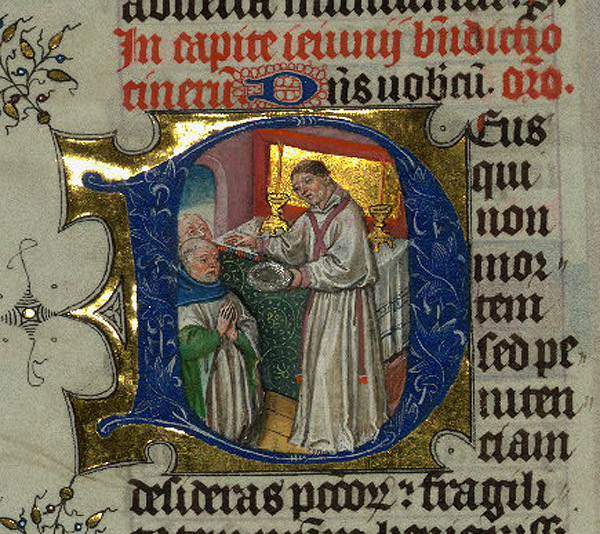
Ash Wednesday officially opens the Lenten season. The word “Lent” simply means “Spring” and comes from Germanic origins meaning “long,” as in the fact that the days visibly lengthen. This day marks forty six days till Easter (Lent is a forty day season, but Sundays don’t count in that forty days. Sundays, the ”Lord’s Day”, cannot be penitential and are considered “mini Easters.” So you can cheat on your Lenten deprivations….but should you? However, in the Middle Ages, all the days of Lent, except Sunday, were meatless. During the rest of the year, even in Ordinary Time–non penitential time, that is–no meat could be consumed on Wednesdays, Fridays, or Saturdays in the Middle Ages.

With Vatican II in the 1960s, that was changed to only the Fridays of Lent, just as the Fridays in the rest of the year were relaxed and meat could be eaten then. But the tradition goes on, because that’s why you will note that in restaurants, the soup of the day on Fridays is always clam chowder. The Filet-O-Fish at McDonald’s was invented for Lent. By the way, Fridays are “meatless” because Jesus gave up his own flesh on a Friday and so it was proper that Christians do the same on the dinner table. Fish is not considered “flesh” or “meat”.)
By the way, in the 16th to 18th centuries, missionaries in Venezuela and other parts of South America, asked for and were granted permission for the natives to eat capybara as fish for Lent. They are actually giant rodents but spend most of their time in the water, have webbed feet, and, I am told, taste like fish (what, not chicken?)

On Ash Wednesday, Catholics are reminded that “from dust you come and to dust you will return.” It is a very old Biblical sign of repentance and mourning. The Hebrews would cover their heads with ashes when in mourning or when a great sacrilege had occurred. The Medievals would go to mass and receive ashes in the sign of the cross on their foreheads and wear it all day. The ashes come from the burned palms from last year’s Palm Sunday mass. It’s forty days of the season because it is in remembrance of Jesus’ fast and temptations in the desert when he prepared for his ministry.
Medieval people loved signs and symbolism and this was–as with most any religious holidays–a very solemn occasion.
Discover more from Jeri Westerson
Subscribe to get the latest posts sent to your email.
That was very interesting. And a good reminder for myself to abstain from eating meat on Fridays.