Maybe it’s cliché for actors to aspire to play Hamlet. But it also seems especially aspirational when it comes to playing Sherlock Holmes. Numerous reboots sprout up in media these days, whether in plays, TV shows, and films. It seems there will always be more opportunities than ever to play the Man from Baker Street, especially now that all the stories have become public domain and don’t impede pastiche versions as they have done in the past.
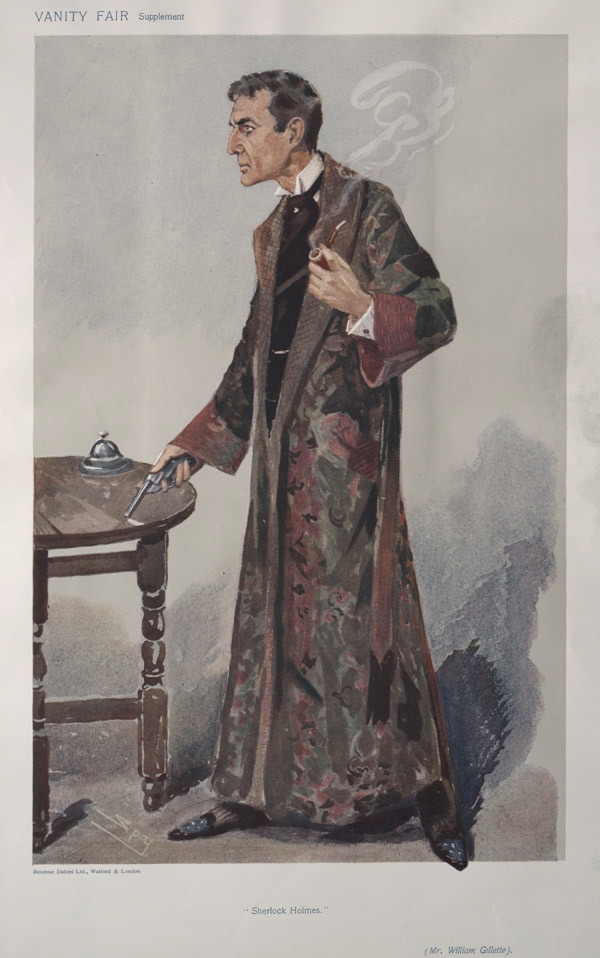
The first person to ever portray Holmes on the stage in an authorized play (note, there were two prior actors who played Holmes in unauthorized productions starting in 1893) was American actor, stage manager, playwright, and inventor William Gillette in the 1899 first performance of the Doyle play (reworked extensively by Gillette) and incorporating elements from A Scandal in Bohemia, The Final Problem, A Study in Scarlet, The Sign of Four, The Boscombe Valley Mystery, and The Greek Interpreter. This might sound like quite the mishmash, but it worked very well in the play simply titled Sherlock Holmes. It was a great hit in America where it was first presented. It wasn’t even on London stages until 1901.
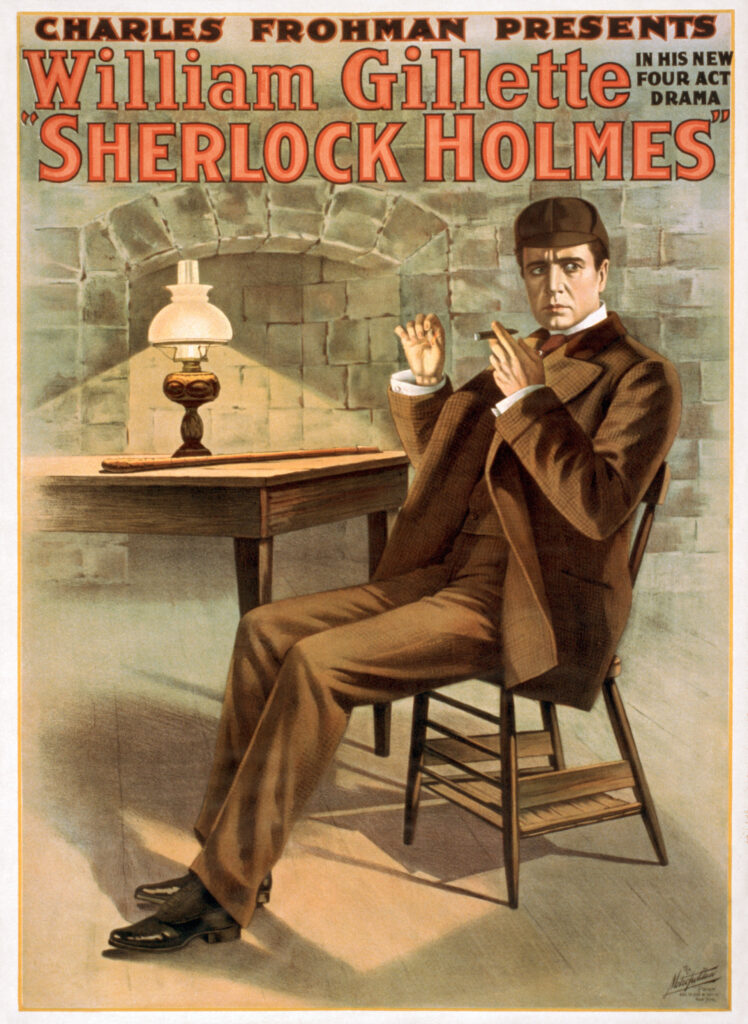
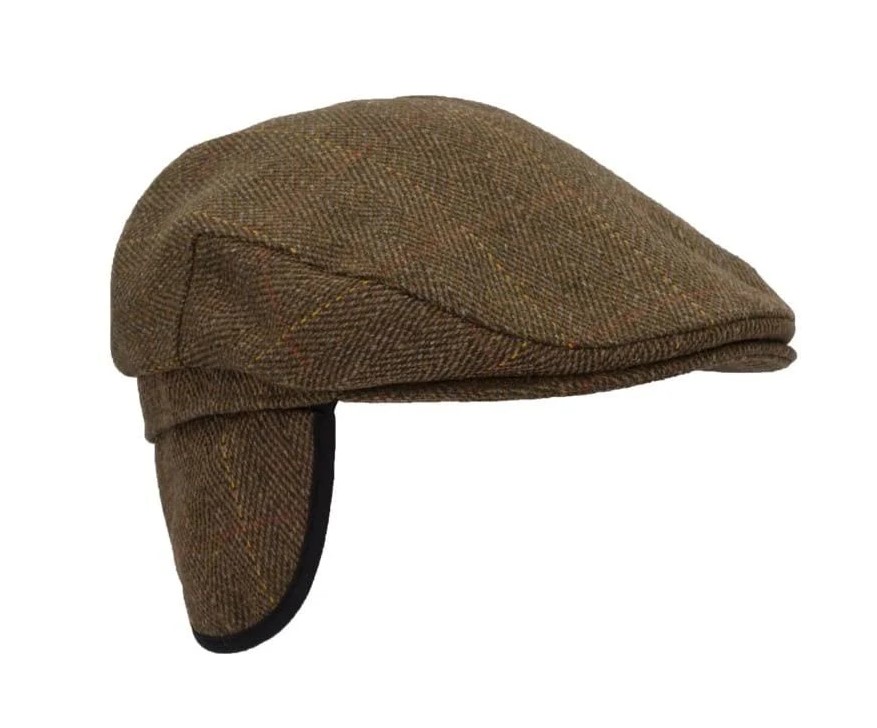
In his performance, Gillette became the embodiment of Holmes in an Ulster coat, and though it was Sidney Paget, the illustrator for the Holmes stories in The Strand Magazine, that first gave Holmes a deerstalker hat to wear (when there was no mention of it in the stories…except for a “flapped cap” mentioned in The Adventure of Silver Blaze that was likely your average flat cap with ear flaps tucked up inside.
Shown below is the Sidney Paget illustration from The Adventures of Silver Blaze that first showed Holmes wearing a deerstalker.
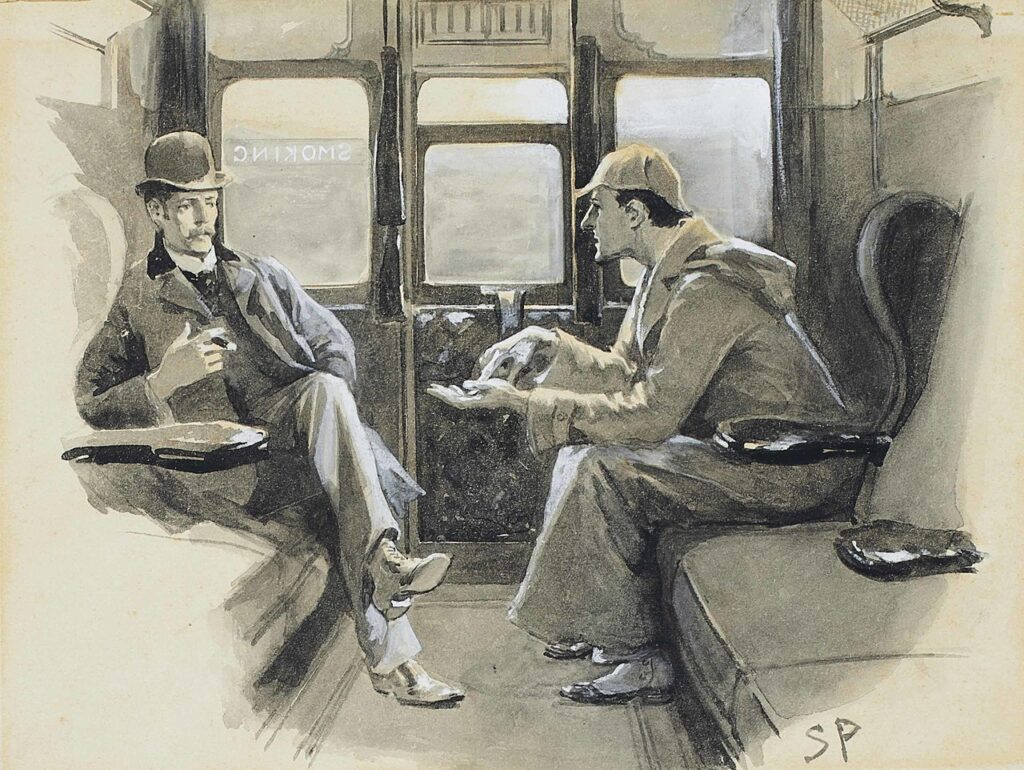
If not for the fact that Paget actually owned a deerstalker, one must suppose he thought it more appropriate and more visually appealing since Holmes was on the hunt for his quarry.) Gillette also gave us the large meerschaum pipe we are so familiar with now.
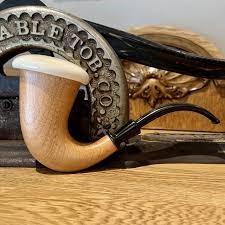
That wasn’t a pipe Holmes ever smoked in the stories either, but Gillette felt he needed a big pipe to be seen more readily on stage, especially for those seated far in the back.
You can see Gillette’s performance on YouTube when he repeated the role in the silent film in 1916. He was great friends with Doyle, and though it may have had little resemblance to the play Doyle originally wrote, Doyle certainly endorsed him in it.
But what of others who came after? Oh, so many.
There were more silent versions before Gillette with different actors, almost too many to list here but some should be mentioned. Like Broncho Billy Anderson in 1905 -1908, German silent films Alwin Neuß 1908 -1914 and Viggo Larsen 1908 -1910, Mack Sennett (yes, THAT Keystone Cops Mack Sennett) 1911 – 1912, John Barrymore 1922, Raymond Massey 1931, and Reginald Owen 1933, among others.
Then comes one of the most popular film series with Holmes in the late 1930s and 1940s, with Basil Rathbone.
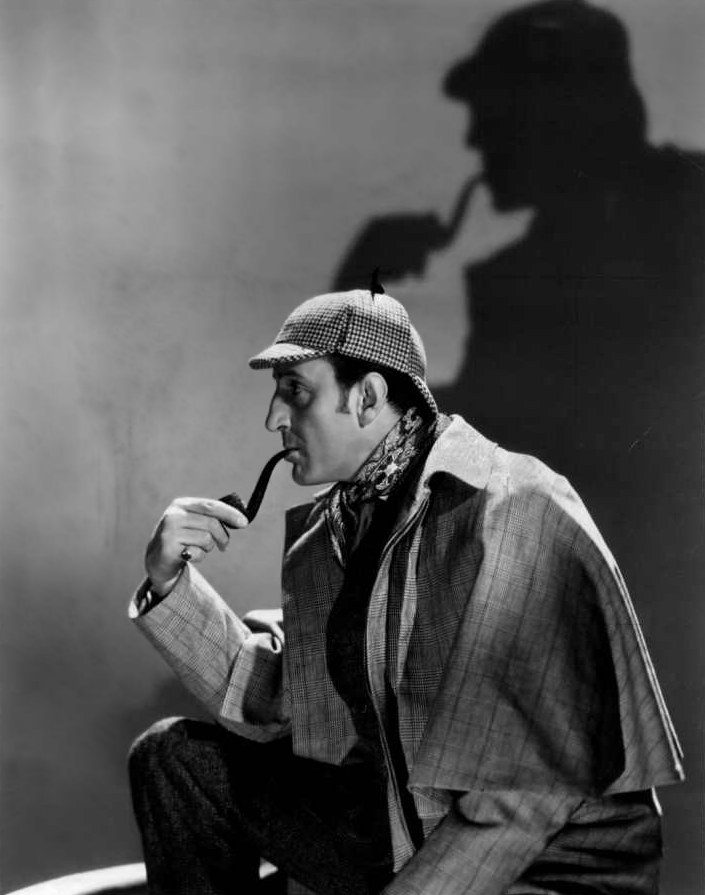
The first two by 20th Century Fox, were set in the Victorian era and Watson was played with Nigel Bruce’s usual bluster but not so much as the fool he played in later versions. They did The Hound of the Baskervilles (1939) and The Adventures of Sherlock Holmes (also 1939), this latter based loosely on the William Gillette play Sherlock Holmes mentioned above.
The subsequent series picked up by Universal, brings the stories forward to modern times during the war, where Holmes fights Nazis. This used to bother me when I was a kid (yes, even then I was a history nerd), but now I see it as more of a propaganda vehicle, so that even Sherlock Holmes is there battling Hitler, and England can be assured they’ll win. I really can’t argue with it. It’s still a shame, though, that they didn’t follow the stories with an updated version, but they did grab several plot points from various canon stories.
In films, Peter Cushing was next in 1959, followed by Christopher Lee in 1962, John Neville in 1965, Robert Stephens in 1975, Peter Cook in 1978… You get the idea. I didn’t even mention the pastiches like Nicol Williamson in The Seven Percent Solution in 1976, and Christopher Plummer in Murder By Decree in 1979…or The Great Mouse Detective in 1986. There are many more.
On television, another wide variety of actors: Stewart Granger, John Cleese, Roger Moore, Frank Langella, Tom Baker, Peter O’Toole, Ian Richardson, Charlton Heston, Patrick Macnee, Matt Frewer, Rupert Everett, Jonathan Pryce, Michael York…and this is only a partial list.
Then, what I consider the definitive Sherlockian actor to completely capture the character, was the Jeremy Brett Granada Television series from 1984 – 1994.
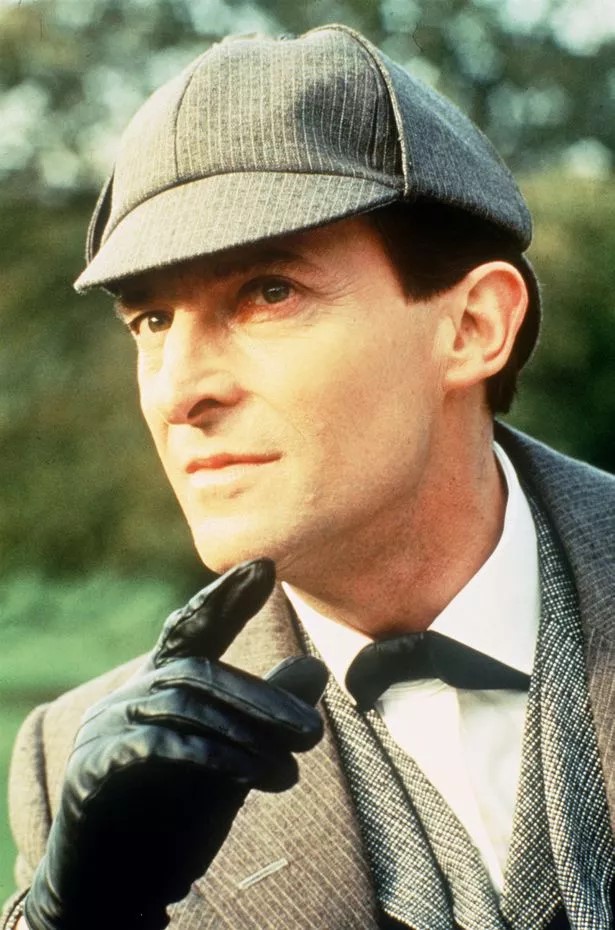
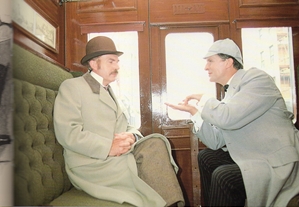
The recreation of the illustrated scene above in The Adventure of Silver Blaze with Jeremy Brett as Holmes and Edward Hardwicke as Dr. Watson. They slipped in many recreations of Paget illustrations in the series for sharp-eyed fans.
I base my Holmes on his sometimes manic, sometimes subdued portrayal. They took particular care with their productions, incredible details in set design, costume, and hair (always a huge faux pax in historical productions) but they made them right! And believe me when I say I scour the scenes to make certain every little prop is true and correct, because they are. Well worth watching if you haven’t yet seen them.
Sir Stephen Frey, one of my favorite actors and recontours, had been a Holmes fan for a long time. He even became a member of the Sherlock Holmes Society of London when he was twelve years old.

“The stories are magnificent enough to read again and again,” he said in a recent interview in Sherlock Holmes Magazine*. “The characters are probably the most lively and recognizable characters in all fiction.” And this matters, since he played Mycroft Holmes in the second Guy Ritchie outing Sherlock Holmes: A Game of Shadows and played him as close to canon as Richie would allow.
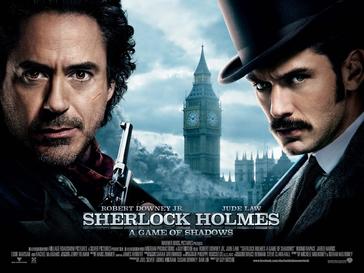
He even played Dr. Watson for Audible for a performance piece of THE HOUND OF THE BASKERVILLES with three other actors. “I think a lot of people who play Watson want to find a way of not making him Nigel Bruce,” he said in the same interview. Both Edward Hardwicke and David Burke played Dr. Watson in different seasons to Jeremy Brett’s Holmes in the Granada television series. Fry points out that “they obviously said (to themselves), ‘I’m going to make him the one who writes everything down in a notebook, instead of just standing there and saying, ‘My dear Holmes, are you serious?’”
Fry had wanted to play Holmes and almost got his chance when producers were looking at a show with Hugh Laurie (with whom he had collaborated on many comedic shows).
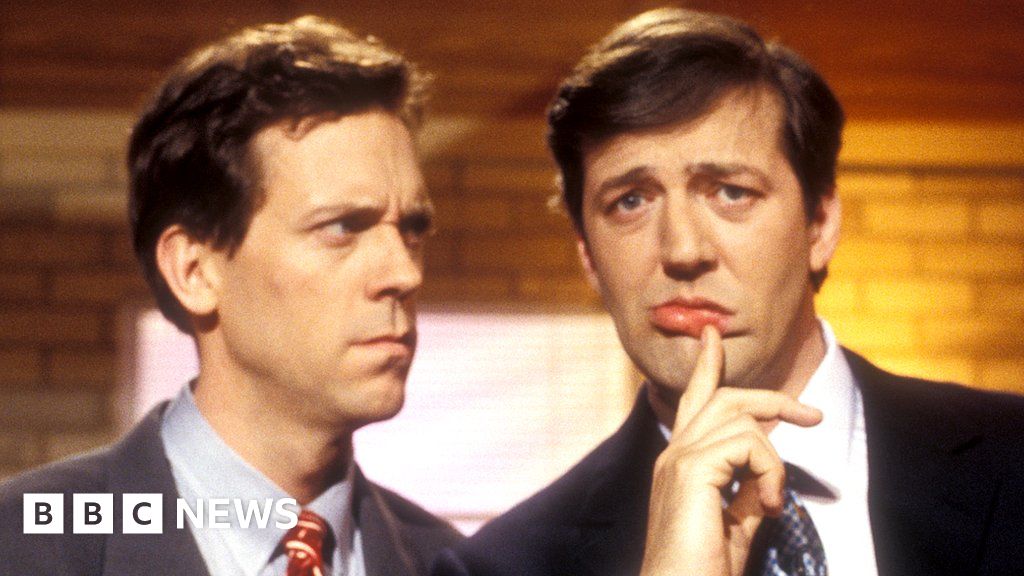
But Laurie agreed that though he was physically more like Holmes, it was Fry whose intellectual chops made him the better choice, though Fry couldn’t see playing Holmes when he was far from the “gaunt, hawk-nosed, cadaverous, aquiline Holmes.” Sadly, that pairing never materialized.
Now, of course Fry does play Holmes…and Watson and everyone else in the new complete canon audio series simply called “Sherlock Holmes” by Audible. Not all actors are lucky enough to do that.
Though my audiobook narrator Noah James Butler, does ring in a stellar performance as Holmes and Watson…as well as all my new characters for my Sherlockian pastiche An Irregular Detective Mystery series – in which a former Baker Street Irregular grows up and starts his own detecting agency, mentored and financed by Sherlock Holmes.
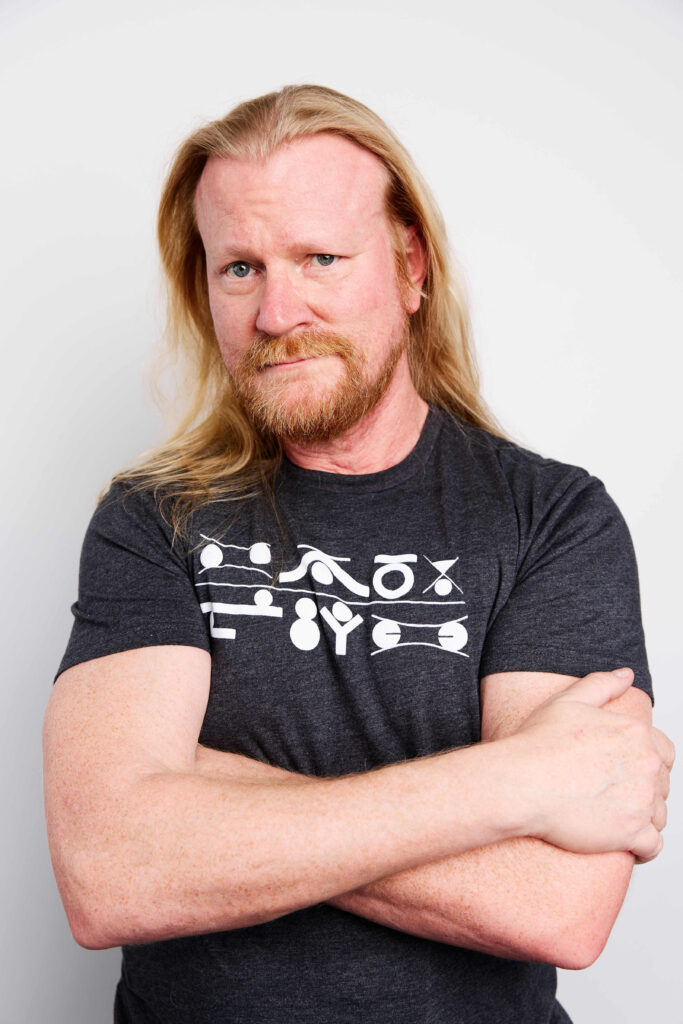
Butler has channeled Basil Rathbone with his own twist to the character. “I do indeed consider it ‘playing’ Holmes,’ he said of the audiobook narration. “Every character deserves great attention and care, and I try to express that in my narration.” Butler is American, but performs British dialects with great skill. “I grew up a latch key kid,” he continued, “and books were my escape. Doyle’s Detective was no stranger to me, so my prep was already in the mix. His mind is constantly moving, so much so I always thought his cocaine addiction actually helped him focus… The eccentricities are great window dressing, and a great deal of fun, but at his core he is obsessed with his mission. He’s also a realist in the sense he knows he can’t go on forever, and this is where I think (Westerson) found a wonderful niche. He’s passing on his techniques to Badger and Watson in order to continue the fight.”
More films, more TV shows will sprout up. There’s no end to the directions these will go. Some focus only on Watson in various iterations, and then there are those television offerings from other countries where a female Holmes takes the reins, with all kinds of modern day versions imaginable, like the Elementary television series and Stephen Moffat’s Sherlock series with Benedict Cumberbatch.
I can only hope my version of the Great Man will endure as I continue to pen my own vision of a Sherlock adjacent series. The fourth book in the series, THE VAMPYRE CLIENT, releases 1 May 2026.
*Grateful thanks go out to Adrian Brady, editor of Sherlock Holmes Magazine for allowing the Stephen Fry quotations I found so interesting.
Discover more from Jeri Westerson
Subscribe to get the latest posts sent to your email.
Loved that essay! Have you seen the new show? I very much enjoyed it, The Young Sherlock Holmes is on Amazon Prime. Guy Ritchie also produced it.
I have not. I’m not a fan of all the different versions, but I appreciate them for keeping awareness of Doyle’s work alive.
Thank you for the link to William Gillette in Sherlock Holmes. I tried watching it some years ago but the video quality was so bad, I gave up. The one you linked to is the best quality I’ve seen on Youtube.
No problem. It’s so fun to watch him since I’ve heard all my life about him.