England had a special problem with Jewish people ever before the Victorian period. First, there was the Edict of Expulsion in 1290 under King Edward I. All Jews in the kingdom were to convert or leave. That meant you had to turn over your property to the crown, making it a bit difficult financially to migrate, especially since there were only a few places left for Jews to migrate to; France, Spain, and the Netherlands being some of them (though Spain expelled their Jews the same year Columbus was sent to find a route to India, but ran into the Dominican Republic instead, 1492). If you converted, you could stay, but they still didn’t trust them. Converted Jews in London stayed in the domus conversorum, the House of Converts, founded by King Henry III in 1232. But an unknown number of Jews still stayed, perhaps living outwardly as Christians, but privately as Jews, keeping the traditions alive. After all, most of the holidays are domestic celebrations.
It wasn’t until Jews were informally allowed to return to England in 1656 during the Protectorate under Oliver Cromwell after the English Civil War that they could live more openly. It certainly wasn’t that they were welcomed with open arms. It was just that they were creeping out of hiding and migrating to England anyway, but Cromwell recognized that Jewish merchants could build back up the British economy after the war, and probably a little money-lending on the side, since Christians still had the prohibition against usury, but it was okay in their eyes to have non-Christians do it.
And so they came.
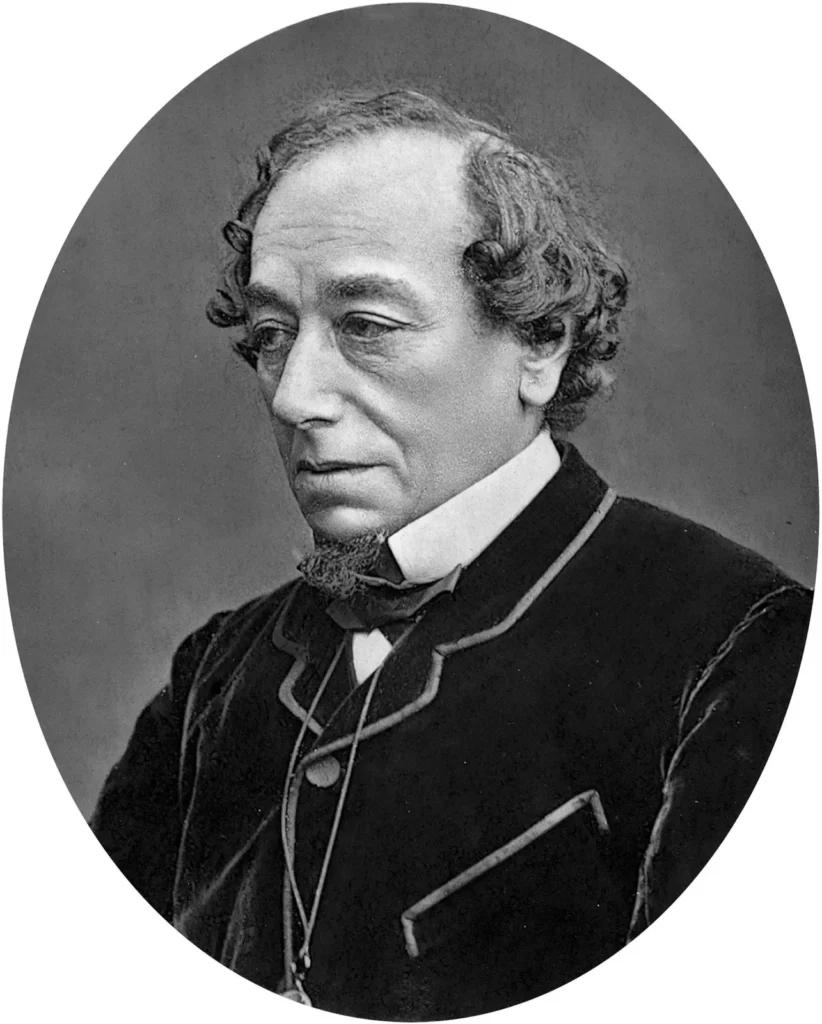
In 1868, Benjamin Disraeli, born Jewish but was converted by his family at 11-years-old, became Prime Minister under Queen Victoria. Though Anglican, his Jewish heritage was well known, and this was certainly a boon for British Jews to be recognized formally.
Now about Hanukkah. Hanukkah is one of the minor holidays on the Jewish calendar. It was not a big deal, and since the calendar is a lunar one – meaning that because the months follow the phases of the moon, the holidays are all moveable. Yes they land on the same date of the Jewish calendar, but in the western calendar those days aren’t the same (which is why the date of Easter changes every year, following when Passover falls. Wouldn’t make sense if it didn’t, now would it). This year, Hanukkah falls on the first weekend of December. Next year, the first night will fall on December 24, and so on.
But here you are in Victorian England and Christmas is now the biggest deal ever with greeting cards, Christmas trees, lots of gifts and decorations…it’s essentially why we make such a big deal out of it today, thanks to the Victorians.
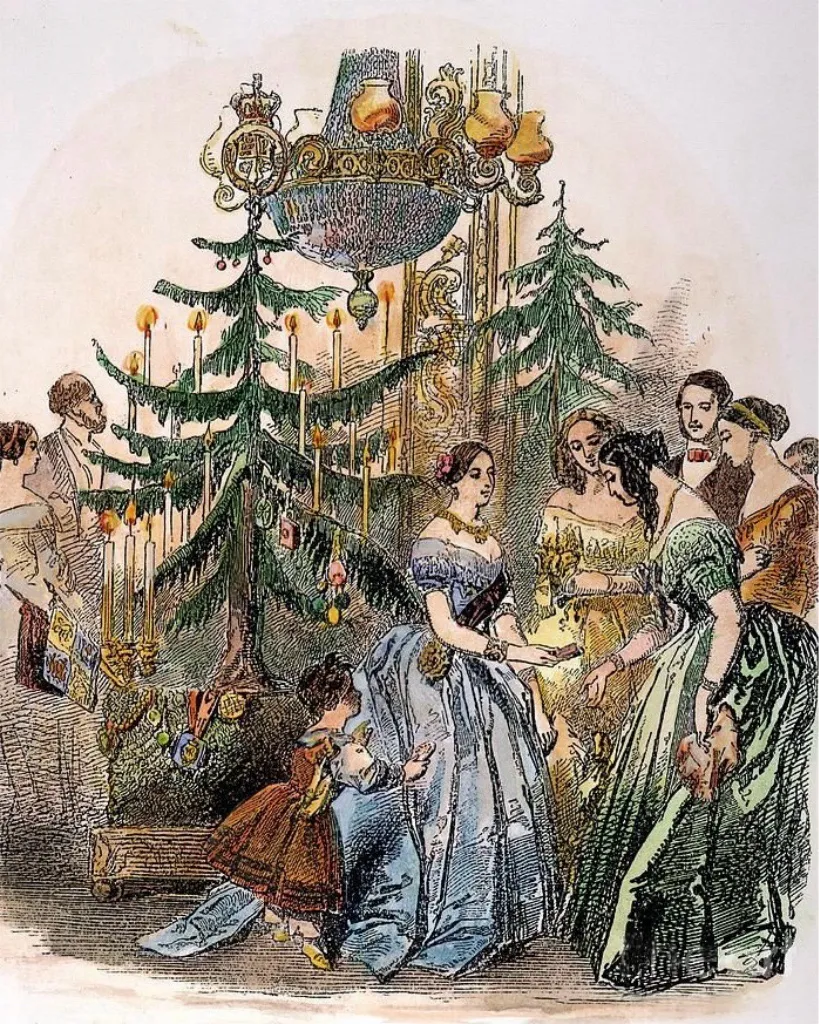
And here was Hanukkah, a holiday commemorating a miracle and a defeat of Jewish oppressors. It was popular but definitely not a big deal. Until one was surrounded by Christmas festivities. And the gift-giving. And you weren’t Christian, so all the frivolity was passing you by. So Hanukkah, falling around the same period as Christmas (remember, it’s a moveable feast. It can come as early as November, and as late as the end of December) and it was all happening, and getting bigger. It usually fell somewhere near Christmas and Twelfth Night (the twelve days of Christmas, which starts Christmas day and ends on January 5th, the eve of Epiphany, when the Magi visited the baby Jesus). That’s a lot of stuff to be surrounded by and bombarded with if you are a non-Christian. So Hanukkah was elevated, more to prevent Jewish children from begging for Christmas trees and going for a more secular Christmas celebration.
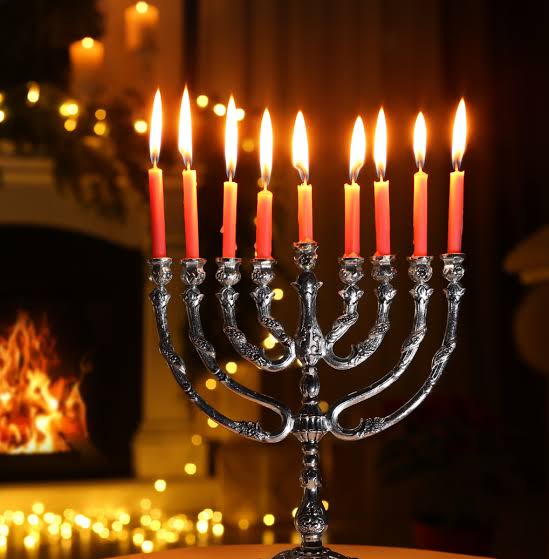
Hanukkah, or the Festival of Lights is so-called because it commemorates ridding the Jewish community of their Persian oppressors who put pagan statues in their temple. They had to re-sanctify the temple, and to do that, they needed time and holy oil for the oil lights, but only had enough to burn for one day. But then the miracle happened that it burned for eight days and they were able to complete the sanctification. To celebrate, Jews light the menorah, that has nine arms for candles or oil (the ninth one in the middle is the helper candle that lights the others, the shamash), where one new candle is lit for each day of Hanukkah until the whole thing is lit with 9 candles. It’s convenient, then, to offer one gift per day. But those were always small gifts, like money (Hanukkah gelt), or fruit or other treats. Wealthier families likely gave more. Families sang songs and played games like dreidel, a spinning top with Hebrew letters on each of four sides.
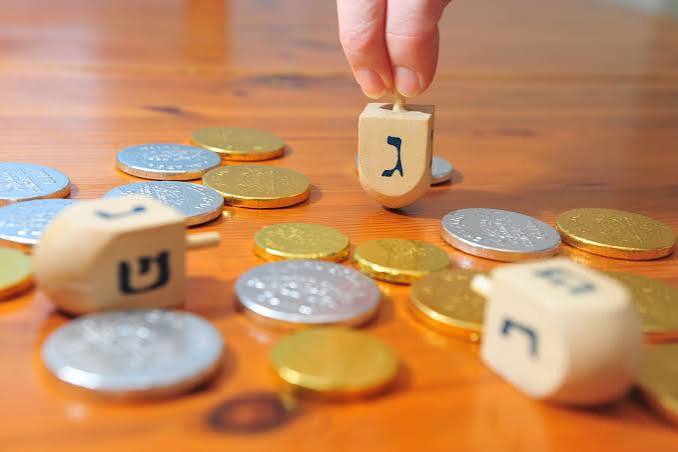
It’s a gambling game…for kiddies! Everyone puts in a coin or candy or raisins into the pot. Then, depending on which Hebrew letter the dreidel lands on, you either put in a coin or candy (ש Shin), take the whole pot (ג Gimel), you get nothing (נ Nun), or take half the pieces from the pot (ה Hey). Gambling for the whole family.
And there is food. Lots of food. But it’s not the American traditional Ashkenazi foods from eastern Europe of fried potato pancakes and doughnuts. It’s still an oil-miracle holiday, only it’s more British with co-opted traditional British holiday fare. Fritters with fruit or jams, and of course, fried fish. Fish and chips, that British staple, actually came from Jews. See my blog post about that. Then there’s kosher plum pudding and mince pies, the latter only having fruit instead of meat, which was an original medieval ingredient along with fruit. And a Sephardic pastry (Jews from Spain) like a choux pastry drizzled with honey, and sponge cakes and pound cakes.
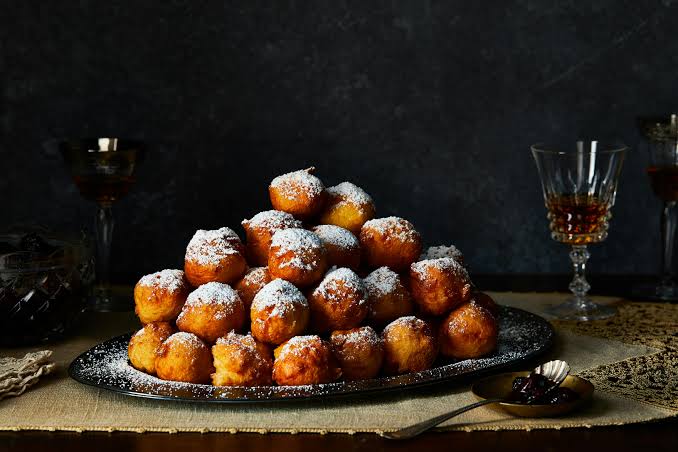
Songs and feasting go with ANY holiday tradition, no matter the culture or religion. Even an oppressed one. Tradition finds a way.
Discover more from Jeri Westerson
Subscribe to get the latest posts sent to your email.